
A clear guest experience
Arrival, parking, entry, storage, privacy, and outdoor connection should feel intuitive for someone seeing the property for the first time.
Plan a rental property that gives guests a strong experience, works well on the land, and supports the long-term role you want it to play in your financial life.
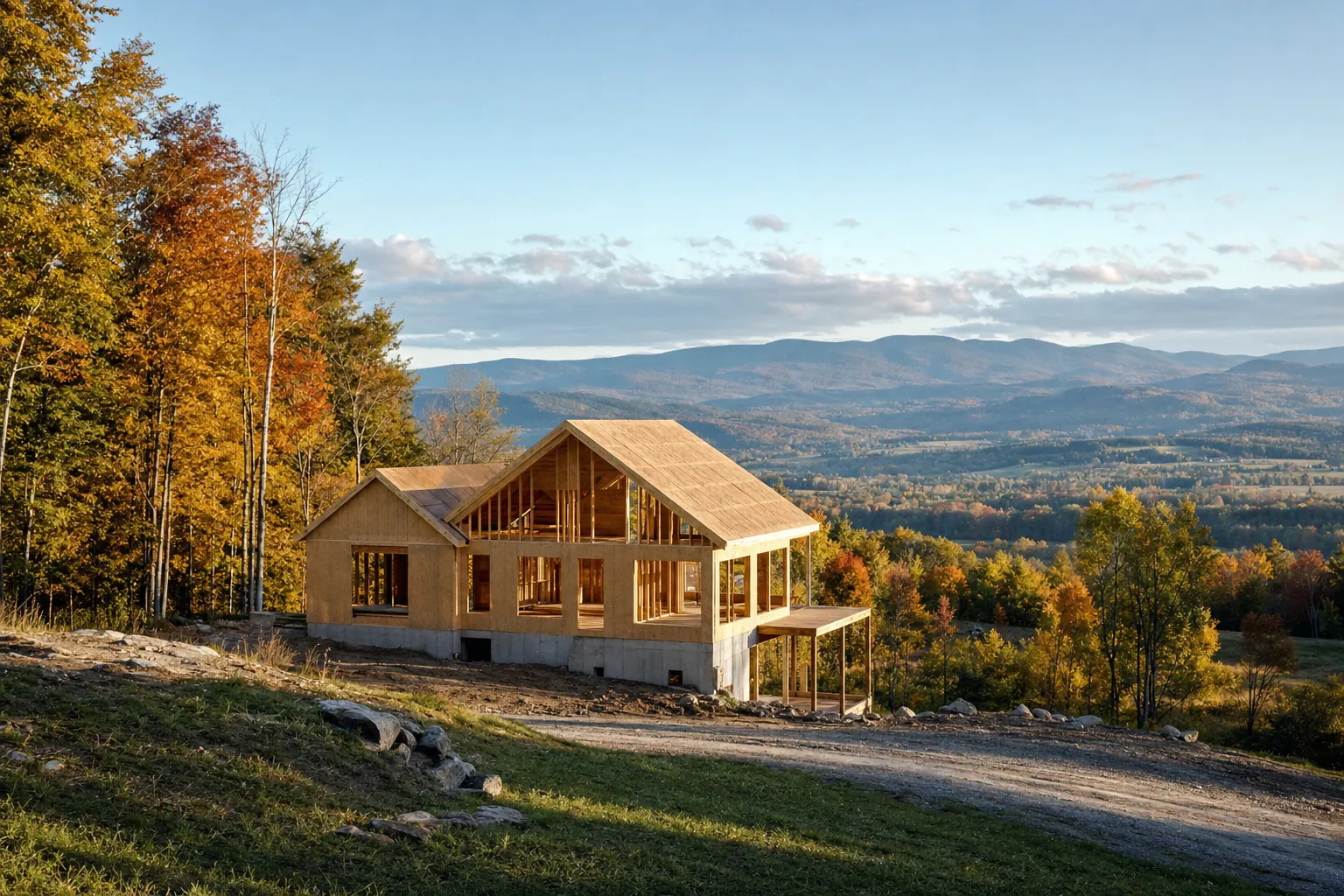
A short-term rental, multifamily home, or backyard guest cottage is more than a revenue plan. It is a real place where people arrive, sleep, cook, park, work, and spend time. When it is designed thoughtfully, it can support guests well while protecting the privacy, function, and character of the property around it.
The first questions are practical. Who will use the home and for how long? How will people arrive, park, and find the entrance? What does the site allow for utilities, wastewater, access, privacy, outdoor space, and separation from neighbors or the main home? Which choices will make the unit easy to care for between guests?
Talor helps turn those questions into an architectural direction that considers both the experience of the people staying there and the larger life of the property.
A rental property is strongest when the guest experience and the practical demands of ownership are considered together from the start.
Arrival, parking, entry, storage, privacy, and outdoor connection should feel intuitive for someone seeing the property for the first time.
Durable surfaces, efficient circulation, practical storage, and easy maintenance can help the home hold up to regular use without feeling generic.
The location of the building, windows, paths, parking, utilities, and outdoor areas should support guests without overwhelming the main home or neighboring property.
A rental cottage or apartment may later serve family, caregiving, work, or a smaller place to live. Planning for more than one future can strengthen the investment.
The best income properties feel considered rather than maximized. A guest should understand where to enter, where to set down a bag, how to find privacy, and where to enjoy the setting. Those simple experiences can make a smaller home feel more comfortable and memorable.
At the same time, the building must work with the larger property. Views, sunlight, neighboring homes, access, parking, maintenance, utilities, and the main residence all need a place in the planning conversation. When they are addressed early, the rental can feel like a natural part of the site instead of an afterthought.
Whether the goal is an Airbnb stay, a multifamily rental, or a backyard guest cottage, the right design can create a durable asset while keeping open the possibility that the space will have another useful role later.
Yes. Many property owners want a space that works for paid stays at one point and for family, friends, caregiving, or personal use at another. The early design process can account for those different patterns.
Access, parking, utilities, wastewater, zoning, privacy, outdoor space, maintenance, and how the building relates to the main home are important early questions. The right answers depend on the specific property and goals.
Absolutely. A compact plan with good light, useful storage, clear arrival, durable materials, and a strong relationship to the outdoors can feel more generous than a larger space with little attention to those details.
